Platform comparison
| Platform | YES odds | NO odds | Fee | KYC | Settlement | |
|---|---|---|---|---|---|---|
Polymarket KYC UK Pick polygram.ink |
45% | 55% | 0% (USDC on-chain) | No-KYC up to $1,500 | USDC, auto via UMA oracle | Open on Polymarket KYC UK → |
Polymarket polymarket.com |
45% | 55% | 0% | Geo-blocked in US/UK/EU | USDC, on-chain | Open on Polymarket KYC UK → |
Kalshi kalshi.com |
— | — | Up to 7% per trade | US-only, KYC required | USD | Open on Polymarket KYC UK → |
Betfair Exchange betfair.com |
— | — | 2-5% commission | Full KYC from first trade | GBP / EUR | Open on Polymarket KYC UK → |
Manifold Markets manifold.markets |
— | — | Play-money (mana) | None — play-money | Mana (no cash-out) | Open on Polymarket KYC UK → |
Live odds for Polymarket-based markets come from the Polygon order book. Non-Polymarket venues show attributes only; clicking any row opens the market on Polymarket KYC UK.
Market context
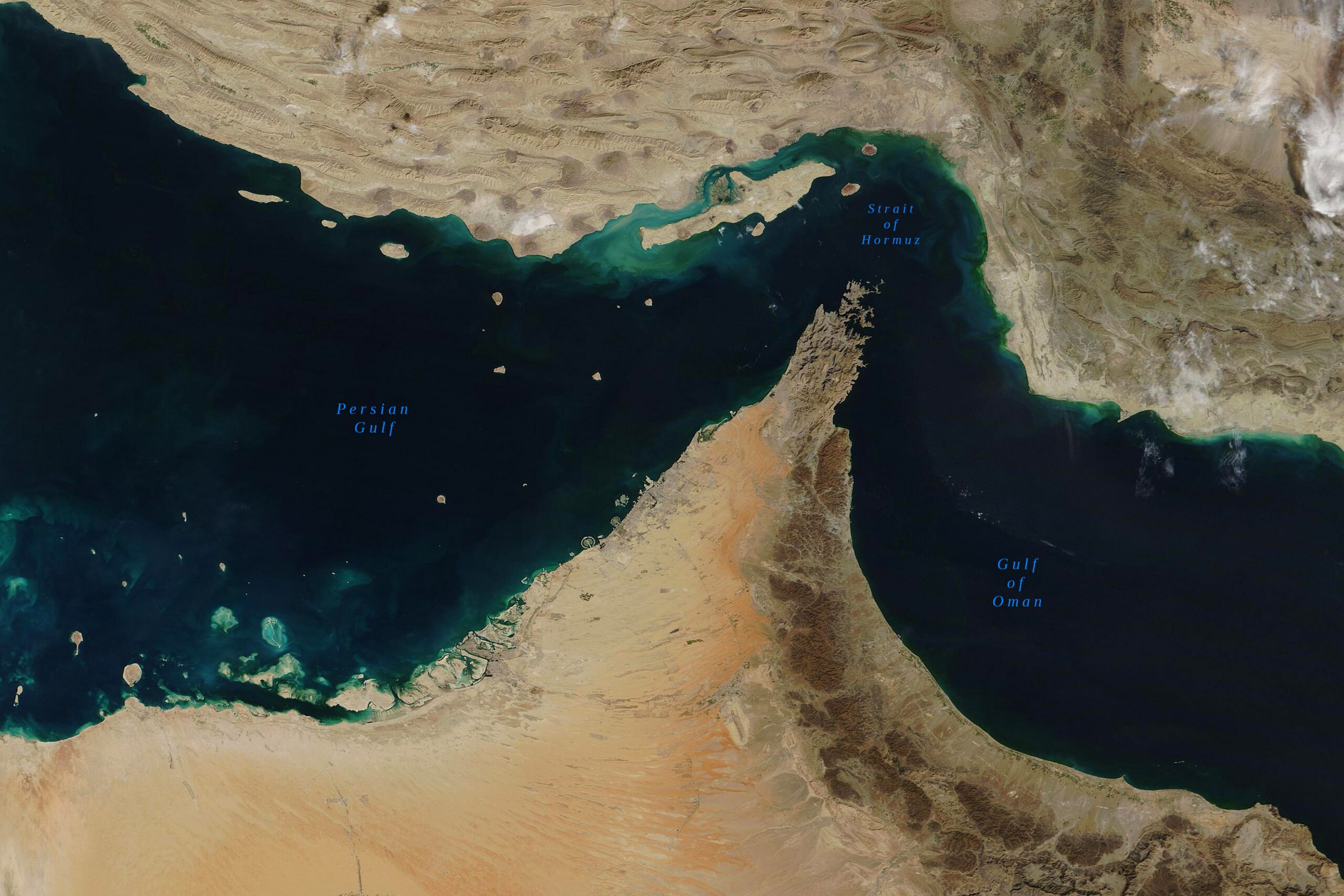
Ship traffic through the Strait of Hormuz has effectively collapsed, with daily transits plummeting to roughly 5% of pre-war levels since March, driven by an ongoing conflict between the US and Iran that has seen Washington strike Iranian military sites and Tehran retaliate by targeting US bases[1][3]. This represents the first operational closure of the world’s most critical energy chokepoint in modern history, now lasting 100 days and causing a massive spike in global oil prices that threatens the global economy if the crisis persists[1][5].
Historical precedents for such chokepoint closures, including the 1980s tanker war and the 2019 Red Sea attacks, suggest that normalisation rarely occurs without a definitive political resolution or a significant shift in military deterrence, framing the current 48% crowd-implied probability as a cautious bet on a diplomatic breakthrough rather than a spontaneous return to flow[3]. Recent data shows a marginal recovery with 25 commercial vessels crossing on 18 June, the highest since mid-April, yet this remains a fragile uptick against a backdrop of continued routing uncertainty and toll impositions by Iranian officials[8][9].
Traders must monitor the US-Iran ceasefire timeline, specifically the April 8 agreement which has failed to restore commercial traffic, alongside announcements regarding US naval blockade enforcement and Iranian toll policies that create sanctions risks for paying entities[4]. Key catalysts include the US Treasury’s advisory on 29 April warning that payments to Iran for safe passage are prohibited for US persons and foreign entities under US control, which directly constrains the financial viability of any transit resumption without a political settlement[4]. For market accessibility, German GlüStV regulations and US CFTC reach imply that platforms offering "no-KYC up to $1,500" allow traders to bypass stringent identity checks for smaller positions, though this specific market remains exposed to regulatory scrutiny if transaction volumes exceed these thresholds.
Methodology
Methodologically we separate two layers: the live probability (Polymarket mid-price) and the platform attributes (fee, KYC, settlement currency, payment rails). The odds column is filled only where we have clean data — that avoids the made-up numbers that get a network demoted when search engines cross-check against the source venue.
Resolution & payout
At resolution the UMA oracle takes over: a proposer posts the outcome with a bond, any token holder can dispute within two hours. Without dispute the result is accepted and the smart contract distributes USDC instantly.
On Kalshi (CFTC-regulated) resolution runs through their in-house clearing engine in USD. Betfair Exchange settles after match end in the account's local currency. Manifold pays no cash — only its in-platform "mana" currency.
FAQ
- Where can I trade this market with the lowest fees?
- On Polymarket KYC UK, which mirrors the Polymarket order book at 0% fees. Kalshi charges up to 7% per trade; Betfair Exchange takes 2-5% commission on net winnings.
- Is this market available outside the US?
- Polymarket KYC UK is available in most jurisdictions where Polymarket isn't directly accessible. Polymarket itself is geo-blocked in the US/UK/EU. Always check local regulations.
- How does resolution work?
- Through the UMA Optimistic Oracle on Polygon: a proposer submits the outcome, a two-hour challenge window opens, and USDC payouts settle automatically once the result is final.
- What's the difference between YES and NO shares?
- A YES share pays $1.00 if the event happens, $0 otherwise. A NO share pays $1.00 if the event doesn't happen. The market price between 0¢ and 100¢ is the implied probability.
- What does it cost to trade on Polymarket KYC UK?
- Zero. Polymarket KYC UK routes every order to the live Polymarket order book; the only cost is the Polygon network fee, typically under $0.01 per transaction.
%22%2F%3E%3Cpath%20d%3D%22M%206%2066%20A%2026%2026%200%200%201%2058%2066%22%20fill%3D%22%23E6B98D%22%20opacity%3D%220.9%22%2F%3E%3Ccircle%20cx%3D%2232%22%20cy%3D%2226%22%20r%3D%2222%22%20fill%3D%22%23F5CBA7%22%2F%3E%3Crect%20x%3D%2214%22%20y%3D%224%22%20width%3D%2236%22%20height%3D%228%22%20rx%3D%224%22%20fill%3D%22%237c3aed%22%2F%3E%3C%2Fsvg%3E) and
and%22%2F%3E%3Cpath%20d%3D%22M%206%2066%20A%2026%2026%200%200%201%2058%2066%22%20fill%3D%22%23E6B98D%22%20opacity%3D%220.9%22%2F%3E%3Ccircle%20cx%3D%2232%22%20cy%3D%2226%22%20r%3D%2222%22%20fill%3D%22%23F5CBA7%22%2F%3E%3Cpath%20d%3D%22M%2010%2018%20Q%2016%204%2026%2010%20Q%2020%202%2032%206%20Q%2044%202%2038%2010%20Q%2048%204%2054%2018%22%20stroke%3D%22%237c3aed%22%20stroke-width%3D%224%22%20fill%3D%22none%22%20stroke-linecap%3D%22round%22%2F%3E%3C%2Fsvg%3E)
Trade Strait of Hormuz traffic returns to normal by July 31? on Polymarket KYC UK
Live order book, 0% fees, USDC settlement in seconds.
Trade on Polymarket KYC UK →